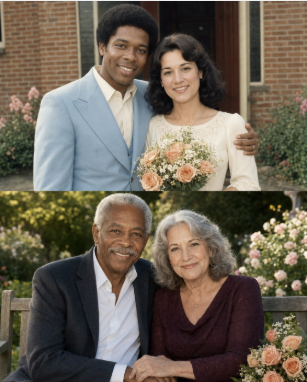
Sixty years later, the opposition that surrounded their wedding is only the beginning of their story. According to a brief account, a young woman married the man she loved despite her father’s firm objections. Others doubted the relationship would survive. Six decades afterward, the couple are still together.
It is tempting to read that ending as a victory over everyone who questioned them. Yet a long marriage belongs first to the people who have lived it. Their years together matter for more than proving an early prediction wrong. The more interesting question is how an act of determination at the beginning can become a lasting partnership.
The account does not identify the couple or document the events of their married life. It does not explain why her father objected or whether he eventually changed his mind. Its outline nevertheless raises questions about love, family loyalty, and the work of staying together.
A parent’s disapproval can make a marriage decision painfully complicated. For someone who values her family, choosing a partner may come with the fear of damaging another important relationship. The wish for independence does not automatically erase the wish for a father’s blessing. Both feelings can exist at once, making a wedding that should feel joyful carry a weight outsiders may not see.
In such circumstances, courage need not look fearless. A person can be certain about her choice and still feel hurt by its consequences. She may hope that time will soften the disagreement without knowing whether that will happen. Respecting her decision means allowing room for that emotional complexity, rather than treating her as a heroine who never hesitated or grieved.
There is also a difference between choosing someone and knowing how to build a life with them. A wedding resolves the question of whether two people will marry. It leaves countless practical questions unanswered: how they will handle money, divide responsibilities, make decisions, and respond when their needs conflict. The conviction that brings a couple together cannot settle those matters in advance.
That is where the quieter part of commitment begins. Over time, affection has to find expression in behavior. Keeping a promise, taking a concern seriously, completing an agreed task, or admitting a mistake may seem too ordinary to become the centerpiece of a romantic story. Nevertheless, such actions give another person something dependable to live with.
A lasting relationship also requires room for disagreement. Two people do not need identical opinions to share a life, but each needs a fair chance to be heard. An argument handled without humiliation is different from one in which the aim is to punish. An apology becomes meaningful when it is followed by a change the other person can recognize. These are general principles of respectful partnership, not documented claims about this particular couple.
The woman’s original decision draws attention because she acted against her father’s wishes. But the responsibility for the marriage could never reasonably have rested on her alone. It would be unfair to suggest that, because she defended the relationship, she then owed everyone a successful outcome. Her husband also had a part in building whatever followed. Commitment must involve both people, including the one whose character was initially questioned.
This matters because opposition can create an additional pressure: the feeling that asking for help would vindicate the critics. A couple may become reluctant to admit that they are struggling. Yet an adult decision does not become invalid because it later requires advice, adjustment, or support. People should be able to speak honestly about their relationships without being met with satisfaction that someone else supposedly knew better.
The father’s objection deserves similar care in interpretation. The short account gives no reason for it. Concern rooted in prejudice or social status is different from concern about threats, dishonesty, or controlling behavior. Without that information, it would be irresponsible to claim that parental opposition is always wrong or that following love always leads to safety. Adults deserve autonomy, and serious warning signs still deserve attention.
What can be questioned is the certainty with which people sometimes predict another couple’s future. Outsiders may see a difference in background, an unfamiliar personality, or a choice they would not make themselves. That limited view can harden into a verdict. A family can express specific concerns without treating its own judgment as an infallible forecast of the next sixty years.
Time also changes the people inside a marriage. Partners may develop new ambitions, discover different interests, or revise beliefs they once held firmly. Their circumstances can change as well. Staying close does not mean preserving every detail of the relationship as it was on the wedding day. It can require learning who the other person is becoming and making space for that person in a shared life.
This gives listening a purpose beyond resolving arguments. Familiarity can make it easy to assume that an answer is already known. Asking again leaves room for something new. A preference that once seemed permanent may have changed; a responsibility that felt manageable may now be tiring. Attention helps prevent a long history together from becoming an excuse to stop being curious.
Not every meaningful act needs to be solemn. Enjoyment belongs in the account of a marriage too: conversation that is still welcome, a shared interest, a joke that remains funny, or the pleasure of spending an unremarkable afternoon together. These are possibilities in a long partnership, not details we can assign to the unnamed couple. They remind us that endurance alone is too narrow a description of what people may value in staying together.
Nor should sixty years become a standard used to judge every other relationship. Length cannot reveal, by itself, whether a marriage has been kind, equal, or fulfilling. Some relationships end for sound reasons, and leaving an unsafe situation is not a failure of devotion. The hopeful lesson in an enduring marriage is strongest when it does not ask anyone else to tolerate harm in pursuit of the same anniversary.
There is no documented reconciliation with the father in this account, no speech in which he admits his mistake. The story does not need one to have meaning. His eventual approval, if it came, would belong to a separate relationship. The couple’s life together was not simply an extended appeal for permission, and its value need not depend on a final blessing from someone who once objected.
At the beginning, other people wondered whether their love would last. Six decades later, they are still together. The doubts explain the obstacle they faced when they married. They cannot contain the whole of the life that followed.
Отправить ответ